
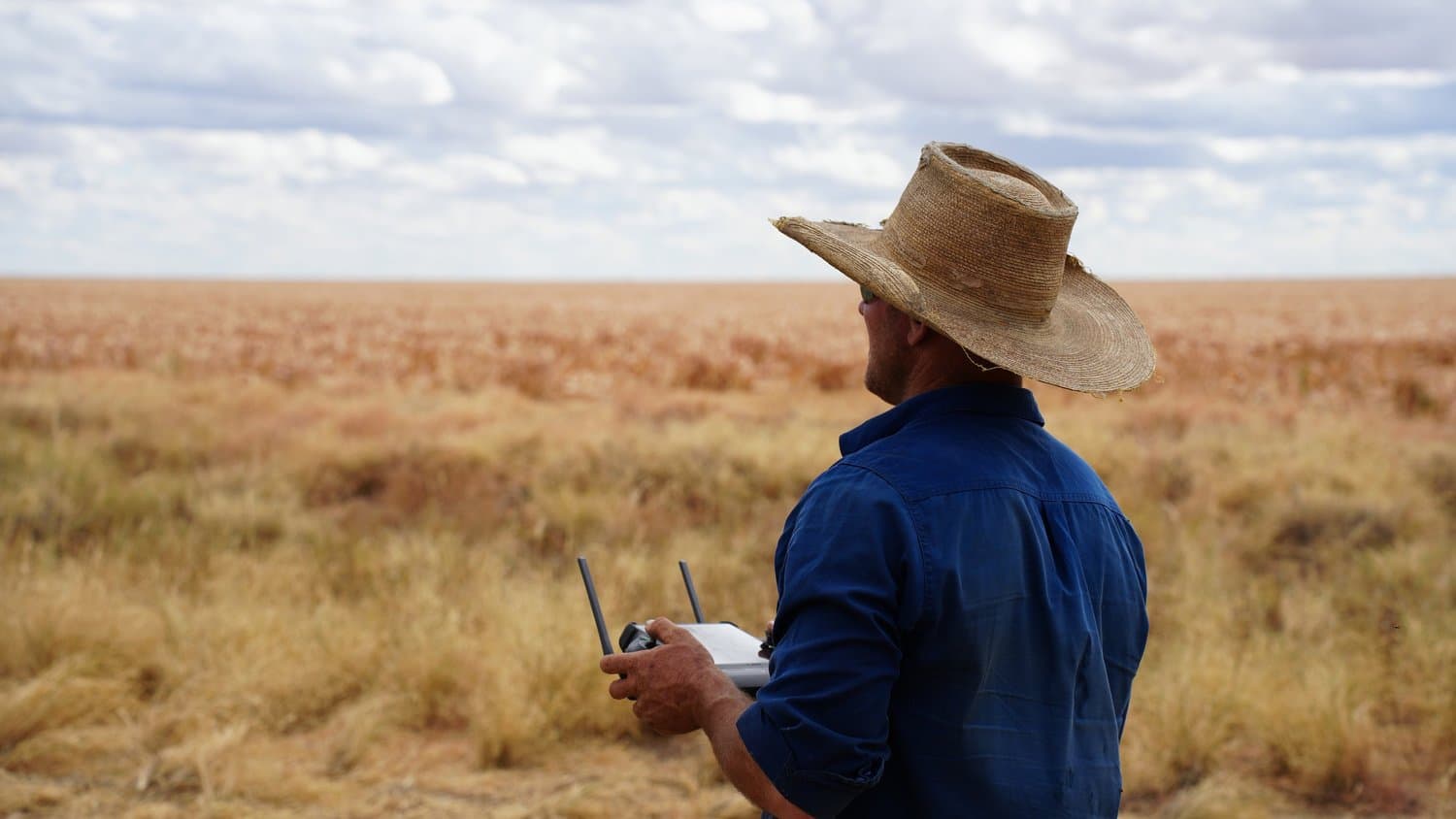
The Landholder Rule: Flying Drones on Your Own Property
Understand CASA's Landholder Rule that allows graziers and property owners to fly drones up to 25kg on their own land for business purposes without needing a RePL or ReOC. Learn the requirements, limitations, and best practices.
The Landholder Rule: Flying Drones on Your Own Property
A comprehensive guide to CASA's excluded category for private landholders using drones for farming, mustering, and property management.
Overview
The Landholder Rule (officially known as the "Private Landholder Excluded Category") is one of CASA's provisions that allows farmers, graziers, and property owners to fly drones over their own land for business purposes without needing a Remote Pilot Licence (RePL) or Remote Operator's Certificate (ReOC).
This exemption has been transformational for Australian agriculture, enabling landholders to use drone technology for livestock mustering, crop monitoring, fence line inspections, and property management - all without the cost and complexity of full commercial certification.
Key Requirements by Drone Weight
Sub-2kg Drones
Drones under 2kg fall into their own excluded category and can be used commercially with minimal requirements - just registration and operator accreditation.
Small Drones (2kg – 25kg)
You can fly a drone weighing between 2kg and 25kg over your own land for business purposes without a RePL or ReOC, provided:
- You fly only over land you own or have legal control of
- You do not accept payment from third parties for the drone services
- You follow all Standard Operating Conditions (SOC)
- You maintain Operator Accreditation (free, valid 3 years)
Medium Drones (25kg – 150kg)
For larger drones between 25kg and 150kg, you must hold a Remote Pilot Licence (RePL) appropriate to your aircraft type, even when flying on your own land. However, you still don't need a ReOC.
Standard Operating Conditions (SOC)
Even under the Landholder Rule, you must follow these baseline safety rules:
- Maximum altitude120 metres (400 feet) AGL
- Visual Line of Sight (VLOS)
- Daylight operations only, no night flying without approval
- Distance from people: At least 30 metres from non-associated persons
- Controlled airspace: Must not fly without approval
- Emergency services: Do not fly within 5.5km of firefighting or emergency
What You CAN'T Do Under the Landholder Rule
- Accept payment for drone services (e.g., spraying/mustering a neighbour's paddock)
- Fly over neighbouring properties without permission
- Conduct operations that require going beyond standard operating conditions (night flying, flying close to people, BVLOS) without additional CASA approval
- Have multiple pilots operating multiple drones simultaneously without proper coordination
Documentation Best Practices
Even though you don't need formal certification, maintaining proper documentation demonstrates professionalism and protects you legally:
- Flight Logbook: Record all flights including date, time, location, duration, and purpose
- Maintenance Records: Track all maintenance, repairs, and battery cycles
- Policy & Procedures: Document your standard operating procedures
- Induction Records: If employees use drones, maintain training records
When You Need More Than the Landholder Rule
Consider obtaining a RePL and/or ReOC if you want to:
- Fly Beyond Visual Line of Sight (BVLOS)
- Offer paid drone services to others
- Conduct night operations
- Fly closer than 30m to people
- Operate in controlled airspace
Official Resources
- CASA Drone Rules
- CASR Part 101 Plain English guide for Micro and Excluded RPA operations
- CASA Drones Portal
Related Training
While the Landholder Rule exempts you from needing a licence, proper training ensures you use your drone safely and effectively:
- Aerial Stockmanship Course - Learn effective livestock mustering techniques
- Landholder Rule Package - Templates for policies, procedures, and logbooks
Need Help?
If you're unsure whether your operations fit within the Landholder Rule, or need assistance setting up compliant procedures, contact our team for guidance.
Was this article helpful?
Your feedback helps us improve our documentation